WOOLF, VIRGINIA
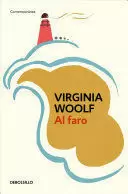
u003cbu003e«Una de las inteligencias e imaginaciones más delicadas que ahora ensayan felices experimentos con la novela inglesa»u003c/bu003eu003cbru003e u003cbru003e Jorge Luis Borgesu003cbru003e u003cbru003e Al faro es una de las obras cumbre de la literatura del siglo xx. Basada en la propia infancia de la autora, la novela cuenta la historia de la familia Ramsay en la isla escocesa de Skye en el periodo de entre guerras.u003cbru003e u003cbru003e El rumor del mar, la presencia insomne del faro, la guerra, la muerte, el erotismo o el transcurso del tiempo se entreveran en la larga conversación de la novela formando un oleaje de símbolos, palabras e imágenes.u003cbru003e u003cbru003e u003cbu003eENGLISH DESCRIPTIONu003c/bu003eu003cbru003e u003cbru003e u003cbu003eu003ciu003eTo the Lighthouseu003c/iu003e is a 1927 novel by Virginia Woolf. A landmark of high modernism, the novel centers on the Ramsays and their visits to the Isle of Skye in Scotland between 1910 and 1920.u003c/bu003eu003cbru003e u003cbru003e Following and extending the tradition of modernist novelists like Marcel Proust and James Joyce, the plot of u003ciu003eTo the Lighthouseu003c/iu003e is secondary to its philosophical introspection.u003cbru003e u003cbru003e The novel includes little dialogue and almost no action; most of it is written as thoughts and observations. The novel recalls childhood emotions and highlights adult relationships.u003cbru003e u003cbru003e Among the book's many tropes and themes are those of loss, subjectivity, and the problem of perception. In 1998, the Modern Library named To the Lighthouse No. 15 on its list of the 100 best English-language novels of the 20th century.u003cbru003e u003cbru003e In 2005, the novel was chosen by TIME magazine as one of the one hundred best English-language novels from 1923 to present.